


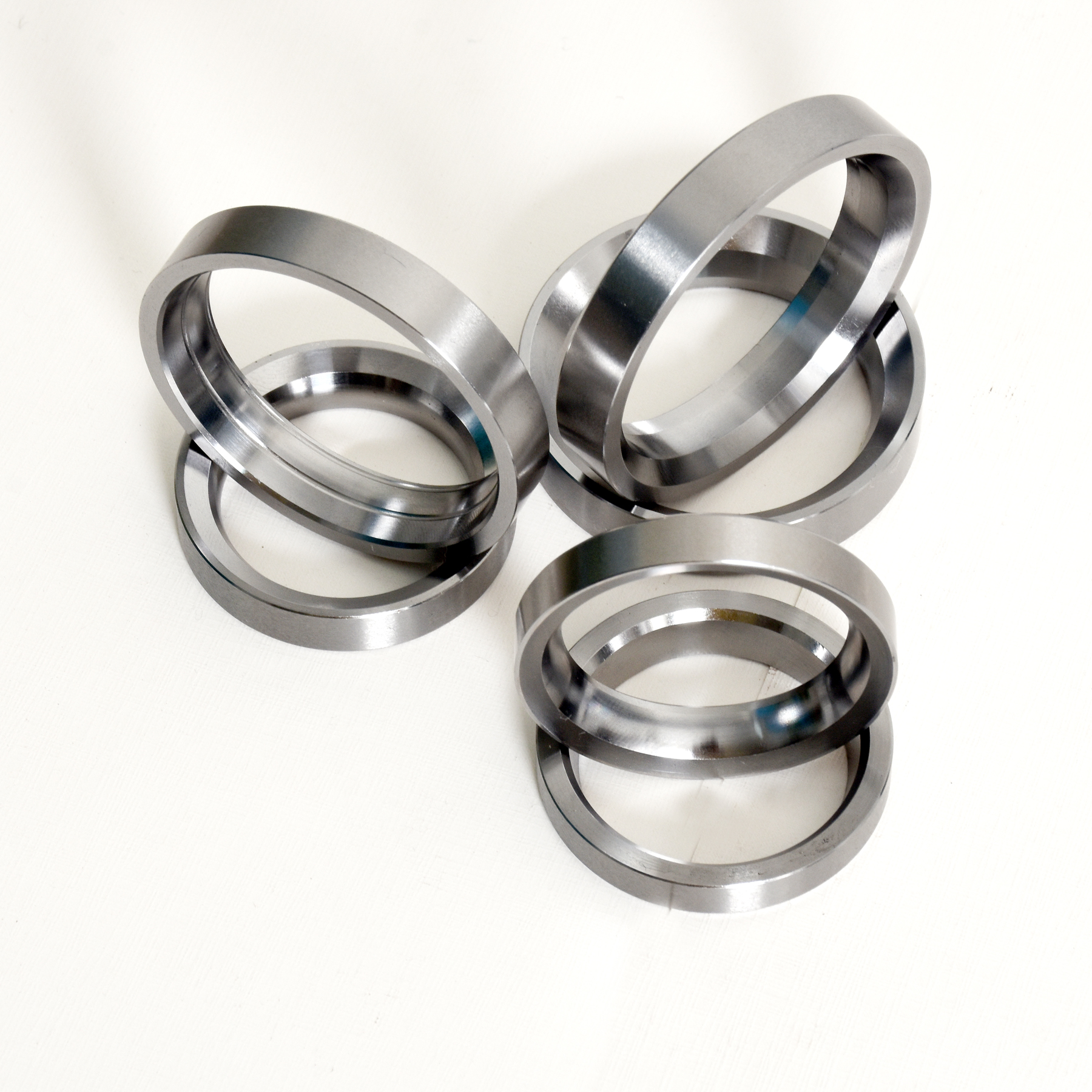
Table of Contents
- Understanding Valve Seat Function and Critical Importance
- Material Selection Guide: Matching Alloys to Applications
- Preparation and Old Seat Removal Techniques
- Installation Methods and Interference Fit Calculations
- Seat Machining and Three-Angle Valve Job Procedures
- Final Assembly and Break-In Procedures
- Troubleshooting Common Valve Seat Failures
- Professional Quality Standards and Final Considerations
- (FAQ)
Valve seat failure remains one of the most common causes of engine comeback work in professional shops. Whether you're dealing with a loose seat that's fallen out, premature recession that's destroyed a valve, or poor sealing that's causing compression loss, the root cause typically traces back to material selection, installation technique, or machining precision. This comprehensive guide walks you through the complete valve seat installation process, from material selection through final quality verification, using field-tested procedures that ensure reliable, long-term performance.
Understanding Valve Seat Function and Critical Importance
Engine valve seats serve two essential functions that directly impact engine performance and longevity. First, they provide the combustion sealing surface where the valve face contacts to seal the combustion chamber during the compression and power strokes. Second, and equally critical, they serve as the primary thermal pathway for cooling the valve. Approximately 70% of the heat absorbed by a valve during combustion exits through the seat contact area into the cylinder head, where the cooling system dissipates it.
When valve seats fail to perform either function properly, the consequences escalate quickly. Poor sealing leads to compression loss, misfires, and eventual valve face burning. Inadequate heat transfer causes valves to run excessively hot, resulting in pre-ignition, detonation damage, and catastrophic valve failure. Understanding this dual role helps explain why proper material selection, installation interference, and seat machining precision matter so much in professional engine building.
The evolution from leaded to unleaded fuel fundamentally changed valve seat requirements. Lead additives in gasoline created chemical reactions with cast iron heads and steel valves, forming compounds that locally hardened wear surfaces and prevented valve seat recession. When unleaded fuel became standard, this protective mechanism disappeared, making hardened seat inserts essential rather than optional. Today's engines predominantly use aluminum cylinder heads with factory-installed inserts, driving growth in both OEM and aftermarket seat insert markets.
Material Selection Guide: Matching Alloys to Applications
Selecting the correct valve seat material represents the first critical decision in any valve job. The wrong material choice leads to premature failures regardless of installation quality, while the right material ensures long service life even in demanding applications.
Cast Iron Seats remain suitable only for light-duty intake valve applications in street-driven engines with moderate performance demands. Never use cast iron seats for exhaust valve applications—the material simply cannot withstand the extreme temperatures and thermal cycling of exhaust environments. Most professional builders have abandoned cast iron entirely in favor of more robust materials.
Powder Metal (PM) Seats combine various materials through powder metallurgy manufacturing to achieve specific properties. These engine-specific seats work well in street and mild-performance engines, offering good value for typical applications. One unique characteristic is work-hardening: a new PM seat might measure RC 25 hardness when installed but develops hardness between RC 40-50 after several thousand miles of operation. This work-hardening can make remachining difficult during subsequent rebuilds. PM seats have limitations in high-performance applications where combustion temperatures significantly exceed stock specifications.
High Chrome Stainless Steel and High Nickel Alloys represent the appropriate choice for exhaust valve applications requiring heat resistance. These materials, typically falling under SAE610b compositions (numbers 11, 12, or 13), withstand elevated temperatures and corrosion inherent in exhaust environments. For any engine operating under sustained high loads or elevated combustion temperatures, these alloys provide the durability needed for reliable service.
Stellite (Cobalt-Based) Inserts represent the premium end of valve seat materials. Made from non-magnetic cobalt alloys, Stellite seats are the hardest inserts available, with hardness values around 50-55 HRC that maintain their properties even at elevated operating temperatures. Stellite is essential for heavy-duty diesel engines, high-temperature applications, dry fuel engines running propane or natural gas, and racing or performance engines with power adders like turbochargers or nitrous oxide systems.
Special Application Considerations
Engines running on propane, natural gas, or other LPG fuels present unique challenges. Gasoline combustion leaves behind ash content that acts as a lubricant between the valve face and seat insert. LPG fuels burn extremely cleanly, meaning this protective ash layer is missing entirely. For these applications, you must use upgraded nickel or cobalt-based seats, and often need to change the valve material as well. Failing to use correct materials results in rapid seat recession through micro-welding and material transfer between valve and seat.
For engines using titanium valves in performance applications, consider copper alloy seat materials. Titanium doesn't conduct heat as effectively as steel, so the higher thermal conductivity of copper alloy seats helps improve overall heat transfer from the combustion chamber, preventing valve overheating.
Preparation and Old Seat Removal Techniques
Before installing new valve seats, proper removal of old seats and preparation of the cylinder head determines whether your installation succeeds or fails. Rushing through this phase creates problems that haunt you through every subsequent step.
Removal Methods
Arc Welding Technique works effectively for hard seats in aluminum heads. Weld a bead completely around the seat circumference. As the weld cools, it shrinks and breaks the interference fit, often allowing the seat to drop out with minimal effort. This technique requires skill to avoid damaging the counterbore—keep the arc focused on the seat material and avoid excessive heat input that could warp surrounding aluminum.
Cutting and Weakening Method uses a cutter slightly smaller than the seat's outer diameter to cut away the old insert from the inside. Some rebuilders use a die grinder to slit and weaken the seat. This method requires extreme caution to avoid cutting through the seat into the counterbore. Set your cutting depth very conservatively and make multiple passes rather than risk damaging the head.
Heat Cycling for Aluminum Heads involves heating the head in a cleaning oven, causing differential expansion that loosens seats enough to fall out. While this can work, it requires careful temperature control and understanding of the specific aluminum alloy properties to avoid head damage or distortion.
Post-Removal Inspection
Once seats are removed, immediate and thorough inspection is essential. Aluminum heads commonly develop cracks around valve pocket areas, especially in high-mileage or overheated engines. Use dye penetrant inspection to find cracks before proceeding. Minor erosion pitting or material loss in the counterbore area is common in engines that have experienced overheating, loose seats causing fretting damage, or combustion gas leakage. Minor erosion can be addressed by cutting slightly deeper counterbores for oversized seats, while severe erosion requires TIG welding to rebuild material before remachining.
Counterbore Cutting Essentials
Proper fixturing cannot be overstated. Keep your tooling setup as short and tight as possible to ensure maximum rigidity. Less deflection in the tooling means more accurate dimensions and better concentricity. When clamping the head, be careful not to distort or twist it, especially with aluminum heads which can flex under clamping pressure.
Use correct size pilots that fit snugly in valve guides. Worn or undersize pilots cause concentricity problems that will compromise seat machining operations. Replace pilots regularly and verify fit before each setup.
Industry best practice is to recut counterbores to accept oversized inserts. This approach provides fresh, undamaged parent metal for the interference fit, eliminates any fretting or erosion damage, ensures optimal thermal contact surface, and delivers better long-term retention. Aim for a counterbore surface roughness of 63 Ra or better for optimal thermal contact and consistent interference fits.
Installation Methods and Interference Fit Calculations
The interference fit between the valve seat outer diameter and the counterbore inner diameter is what keeps the seat in place and ensures proper heat transfer. Getting this right requires understanding the variables involved and following proven guidelines.
Interference Specifications
For aluminum heads with typical aftermarket alloy seats, 0.005 to 0.007 inches of interference provides excellent retention in most applications. This range offers adequate retention force without excessive installation stress that could crack the head. Air-cooled aluminum heads with higher operating temperatures may require 0.008 to 0.012 inches, with chrome-moly steel seats potentially requiring the higher end of this range. For cast iron heads, generally use lower interference of 0.003 to 0.006 inches due to the material's higher strength and different thermal expansion characteristics.
Excessive interference can crack the cylinder head during installation, shave material off the seat during installation (effectively reducing actual interference), create residual stresses leading to cracking during thermal cycling, and make installation unnecessarily difficult. If you're hammering excessively hard to seat an insert, your interference is probably too high.
Conversely, too little interference leads to seats loosening under thermal cycling, poor heat transfer from valve to head, fretting damage between seat and counterbore, and eventual seat loss. A seat that falls out typically indicates insufficient initial interference or operating temperatures that exceeded the design assumptions.
Press Installation Method
The most straightforward approach uses a piloted driver and press or hammer at room temperature. Clean the counterbore thoroughly with acetone or brake cleaner, verify the seat orientation (bevel or radius edge faces down), align the piloted driver in the valve guide, position the seat squarely in the counterbore opening, and apply steady pressure to drive the seat home.
The seat should go in with firm resistance but not require excessive force. You should feel the seat bottom out against the counterbore floor. Both press and hammer installation work when done correctly. Press installation provides more control and consistent force application, while hammer installation requires skill to deliver square, even blows without cocking the seat.
Thermal Installation Method
Thermal installation uses temperature differential to temporarily reduce interference, making installation easier and potentially reducing installation stresses. Heat the cylinder head to approximately 300-400°F in an oven, causing the aluminum to expand and increase the counterbore diameter. Alternatively, freeze seats using dry ice (-78.5°C) or liquid nitrogen (-196°C) to contract the seat and reduce its outer diameter.
Many top engine builders use both methods simultaneously: hot head and cold seat. This maximizes the temporary clearance and allows seats to practically fall into place. Have everything ready before removing the head from heat or seats from cold, and work quickly to maintain temperature differential.
Installation Verification
After installation, verify quality before proceeding to seat cutting operations. The seat should be fully bottomed in the counterbore with no gaps, show no evidence of cocking or tilting, have no aluminum or material buildup around the seat top, and the seat face should appear undamaged. Measure seat installed height relative to the deck surface or a known reference point and compare across all valves to ensure consistency.
Seat Machining and Three-Angle Valve Job Procedures
A properly installed seat is only half the battle. The machining operations that follow determine whether your valve seats will seal properly, transfer heat efficiently, and provide long service life.
Understanding Seat Width
Seat width directly affects heat transfer, sealing pressure distribution, and wear resistance. Remember that approximately 70% of the heat from a valve exits through the seat contact area, making seat width critical for thermal management. Too narrow, and heat transfer suffers. Too wide, and sealing pressure decreases while deposits can become trapped.
Modern engines use much thinner valve margins than older designs, making traditional wide seat specifications impossible to achieve properly. Today's practice focuses on positioning the seat contact area on the strongest part of the valve face while maintaining adequate width for heat transfer. For modern engines, intake seats typically run 1/16 inch (0.062 inches) width, while exhaust seats often run slightly wider due to higher thermal loads. Actual width depends on specific valve design and margin thickness.
Three-Angle Valve Job Technique
The three-angle valve job uses multiple cutting angles to optimize both sealing and flow characteristics.
Top Cut (Throat Angle) is typically 30 degrees (15 degrees steeper than the 45-degree seat). This cut opens the port entrance, improves flow characteristics, and helps position the seat contact area on the valve face.
Seat Cut (Sealing Angle) is typically 45 degrees. This is where the valve actually contacts and must be precisely controlled for width and location. This angle is critical for sealing and heat transfer.
Bottom Cut (Top Angle) is typically 60 degrees (15 degrees shallower than the 45-degree seat). This cut blends the seat into the combustion chamber, affects flow, helps position the seat contact area, and can influence flame propagation in some designs.
Cutting Sequence
Begin with rough cuts to establish basic geometry, then make the top cut to initial depth, followed by the bottom cut to initial depth. Next, make the seat cut to establish contact position and width. Fine tune top and bottom cuts to position the seat correctly on the valve face, then perform the final seat cut to achieve final width and finish.
Achieving Proper Concentricity
If the seat isn't perfectly concentric with the valve guide centerline, the valve will contact the seat unevenly as it rotates, causing uneven wear patterns, poor sealing that may test fine initially but deteriorates quickly, valve guide side loading and premature wear, and seat distortion over time.
Use a precision runout gauge with the dial indicator positioned to measure seat runout relative to the valve guide centerline. Quality work achieves 0.0005 inches TIR (Total Indicator Runout) or less as the target, with 0.001 inches TIR being acceptable. Anything over 0.002 inches TIR is unacceptable and requires correction.
Root causes of concentricity problems include worn or incorrect size pilots, tooling deflection due to inadequate rigidity, head distortion during clamping, valve guide wear or damage, and misalignment between counterbore and guide centerlines.
Valve-to-Seat Verification
Apply a thin layer of Prussian blue or valve lapping compound to the valve face, install the valve and rotate it several degrees, then remove and examine the contact pattern. The ideal pattern shows continuous contact around the entire circumference, proper position on valve face (centered on margin), correct width, and no gaps or heavy spots.
Supplement this with vacuum testing by applying vacuum to the port with the valve installed and measuring leakdown. This verifies sealing but doesn't guarantee proper concentricity or wear patterns. Use it as a supplementary check, not the primary verification method.
Final Assembly and Break-In Procedures
Proper cleaning is essential to remove all machining debris. Use hot soapy water and brushes to remove all cutting residue, follow with solvent cleaning, blow out all passages with compressed air, and verify no metal particles remain in guides, ports, or combustion chambers. Even microscopic metal particles left in critical areas can cause premature wear or damage during initial operation.
Valve Preparation
Examine valves carefully before installation. Check valve face condition and margin thickness, verify stem diameter and straightness, inspect for heat damage or cracks, ensure valve face angles match seat specifications, and confirm valve lengths are within specification. Lightly stone valve faces if needed to clean up minor imperfections and verify valve face angle with a precision angle gauge.
Always use the proper installation tool for valve stem seals. Damaged seals lead to oil consumption problems that reflect poorly on your workmanship. Verify valve-to-guide clearance is within specification—typical clearances range from 0.001 to 0.003 inches, but always follow OEM specifications for your specific application.
The Critical Break-In Period
New valve seats and freshly cut valve faces require a break-in period to achieve full sealing. During this time, microscopic high spots on mating surfaces wear away, contact pressure distributes evenly, thermal cycles stabilize the assembly, and work-hardening occurs (particularly with powder metal seats).
For initial start-up, run the engine at varying RPM for the first 20-30 minutes, avoid sustained high-load operation, monitor for unusual noises or misfires, and check for leaks. During the first 500 miles for street applications, avoid sustained high RPM operation, vary engine speed and load, avoid full-throttle acceleration, and allow proper warm-up before driving.
Watch for compression readings that should improve over the break-in period, no excessive oil consumption beyond normal break-in expectations, smooth idle and consistent operation across all cylinders, and no unusual noises or valve train issues.
Troubleshooting Common Valve Seat Failures
Understanding common failure modes helps you prevent problems before they occur and diagnose issues when they arise in the field.
Premature Seat Recession
Symptoms include loss of valve lash, poor compression, and risk of valve-to-piston contact. Root causes typically involve insufficient seat material hardness for the application, wrong material choice for fuel type (extremely common with LPG/CNG applications), excessive combustion temperatures, poor heat transfer due to loose seats, or incorrect valve material for the application.
Prevention requires matching seat material to operating conditions, using premium materials for demanding applications, verifying proper interference fit, and considering valve material compatibility.
Loose or Fallen Seats
This catastrophic failure causes sudden engine damage, loss of compression, and metallic noise. Root causes include inadequate interference fit, thermal cycling beyond design limits, counterbore surface finish problems, material compatibility issues, or installation errors.
Prevention means calculating and verifying proper interference, using thermal installation for tight fits, achieving proper counterbore finish, and documenting actual interference used for future reference.
Poor Sealing After Installation
Symptoms of low compression, misfires, and excessive blow-by past valves typically result from excessive runout (concentricity problems), mismatched angles between valve and seat, improper seat width or positioning, contamination during assembly, or valve guide problems.
Prevention requires verifying runout before and after machining, using precision angle gauges, verifying contact patterns with Prussian blue, and maintaining strict cleanliness standards throughout the process.
Rapid Valve Face Erosion
Burned valve faces and erosion patterns typically result from insufficient seat width causing poor heat transfer, seats positioned incorrectly on valve faces, lean air-fuel mixture, detonation or pre-ignition, or cooling system inadequacy.
Prevention involves designing proper seat width for the application, positioning seats correctly on valve margins, addressing combustion and cooling issues, and considering material upgrades for severe applications.
Professional Quality Standards and Final Considerations
Before delivering any valve job, conduct a thorough pre-delivery inspection. Verify all seats are properly installed and machined, concentricity is verified on all seats, contact patterns are checked with Prussian blue, vacuum testing is performed as supplementary verification, valve spring installed heights are correct, keeper engagement is verified, all components are clean and free of debris, all measurements are documented, and the customer is informed of break-in requirements.
Document everything for each job: seat materials and sizes used, actual interference fits achieved, installation method used, seat machining dimensions (widths, angles), runout measurements, spring installed heights, and any unusual conditions or modifications. This documentation proves invaluable for warranty issues and helps you refine your processes over time.
Special Applications Require Special Attention
Alternative fuel engines running LPG, CNG, or propane require premium seat materials (high nickel alloys or Stellite), often need upgraded valve materials, may require valve face hardening, and will experience rapid failure with typical seat materials.
High-performance and forced induction applications need special attention due to higher combustion temperatures requiring premium seat materials, potentially benefiting from wider seat widths for heat transfer, consideration of exotic valve materials (titanium, Inconel), copper alloy seats to help with titanium valve heat transfer, and more frequent inspection intervals.
Vintage and classic engine rebuilds have different requirements. These engines may benefit from wider seats due to thicker valve margins, original specifications may assume leaded fuel availability, unleaded fuel requires hardened seat materials, and you shouldn't blindly apply modern narrow-seat practices to engines with robust vintage valve designs.
Conclusion: Precision and Preparation Ensure Success
Valve seat installation represents one of the most critical operations in engine building and rebuilding. Success requires understanding metallurgy, thermal management, precision machining, and proper assembly techniques. The investment in quality materials, proper tooling, and developing solid procedures pays dividends in customer satisfaction and reduced warranty exposure.
Remember these key principles: match materials to application requirements, never compromise on preparation quality, calculate and verify proper interference, achieve optimal concentricity, machine seats precisely to specifications, assemble with attention to cleanliness, educate customers on break-in requirements, and document everything.
With proper attention to these details, your valve seat installations will provide reliable, long-term service that builds your reputation as a quality professional in the industry. Every seat you install should be approached with the mindset that it needs to last for the life of the engine—because with proper technique, it will.
Ready to upgrade your valve seat inventory or need technical consultation on a specific application? Contact our technical team for expert guidance on material selection and application-specific recommendations.
Download our free Valve Seat Specification Chart for quick reference in your shop.
(FAQ)
1. What is the correct interference fit for valve seats in aluminum heads?
The recommended interference fit for aluminum cylinder heads with aftermarket alloy seats is 0.005 to 0.007 inches. This range provides adequate retention force to keep the seat secure during thermal cycling while avoiding excessive installation stress that could crack the head. For air-cooled aluminum heads operating at higher temperatures, you may need 0.008 to 0.012 inches of interference. Cast iron heads typically require less interference at 0.003 to 0.006 inches due to the material's higher strength and different thermal expansion characteristics. Always calculate interference based on your specific application, seat material, head material, and operating temperature range.
2. Why do valve seats fall out and how can I prevent it?
Valve seats fall out primarily due to insufficient interference fit between the seat outer diameter and the counterbore inner diameter. Other contributing factors include thermal cycling beyond the design limits, poor counterbore surface finish that reduces mechanical grip, improper installation technique that damages the seat or counterbore, and operating temperatures significantly higher than anticipated. To prevent seat loss, calculate proper interference for your specific application (typically 0.005-0.007 inches for aluminum heads), use oversized seats in freshly cut counterbores rather than reusing old counterbores, achieve a counterbore surface finish of 63 Ra or better, consider thermal installation methods for tight fits, and match seat material to operating conditions. Document your actual interference measurements for quality control and future reference.
3. What material should I use for exhaust valve seats?
For exhaust valve seats, you should never use cast iron due to its inability to withstand the extreme temperatures and thermal cycling of exhaust environments. The appropriate materials for exhaust applications include high chrome stainless steel, high nickel alloys (typically SAE610b compositions), or Stellite (cobalt-based alloys) for the most demanding applications. Stellite seats are the hardest available with hardness values around 50-55 HRC that maintain properties even at elevated temperatures, making them essential for heavy-duty diesel engines, racing applications, forced induction engines, and alternative fuel engines running LPG, CNG, or propane. For standard street performance engines, high nickel alloys provide excellent durability at a reasonable cost. The key is matching the material's heat resistance capabilities to your specific combustion temperature requirements.
4. How do I know if my valve seat width is correct?
Proper valve seat width balances heat transfer requirements with sealing pressure distribution. For modern engines with thin valve margins, intake seats typically measure 1/16 inch (0.062 inches) wide, while exhaust seats may run slightly wider due to higher thermal loads. The seat contact area should be positioned on the strongest part of the valve face margin—not too close to the edge and not too far down toward the stem. To verify correct width, use Prussian blue to check the contact pattern on the valve face. The contact band should be continuous around the entire circumference, centered on the valve margin, and appropriate for the valve design. Remember that approximately 70% of valve heat transfers through the seat contact area, so insufficient width leads to valve overheating and premature failure. Seat width problems typically show up as valve damage (burning, erosion) rather than seat damage.
5. What causes premature valve seat recession?
Premature valve seat recession occurs when the seat material wears away faster than expected, causing loss of valve lash and potential valve-to-piston contact. The primary causes include using insufficient seat material hardness for the application (such as powder metal seats in high-performance engines), selecting the wrong material for the fuel type (extremely common when using standard seats in LPG or CNG engines that require premium nickel or cobalt-based materials), excessive combustion temperatures from forced induction or lean air-fuel ratios, poor heat transfer due to loose seats with inadequate interference fit, and material incompatibility between the valve and seat causing micro-welding. Prevention requires matching seat material to operating conditions, using premium materials (Stellite or high nickel alloys) for demanding applications, verifying proper interference fit during installation, and considering valve material compatibility, especially with alternative fuels.
6. How do I achieve proper concentricity when machining valve seats?
Proper concentricity between the valve seat and valve guide centerline is essential for even sealing pressure and long-term durability. To achieve concentricity of 0.0005 inches TIR (Total Indicator Runout) or better, start with proper fixturing by keeping your tooling setup as short and tight as possible to maximize rigidity and minimize deflection. Use correctly sized pilots that fit snugly in the valve guides without excessive clearance—worn pilots are a primary cause of concentricity problems. Ensure the cylinder head is not distorted during clamping, particularly important with aluminum heads. Verify concentricity before and after each machining operation using a precision runout gauge with the dial indicator positioned to measure relative to the guide centerline. If runout exceeds 0.002 inches TIR, identify and correct the root cause (pilot fit, tooling deflection, head distortion, or guide/counterbore misalignment) before proceeding. Poor concentricity causes uneven valve wear, premature seal failure, and valve guide side loading.
7. What is the proper break-in procedure for new valve seats?
New valve seats and freshly cut valve faces require a critical break-in period for microscopic high spots on mating surfaces to wear away and contact pressure to distribute evenly. For initial start-up, run the engine at varying RPM for the first 20-30 minutes while avoiding sustained high-load operation and monitoring for unusual noises, misfires, or problems. During the first 500 miles for street applications, avoid sustained high RPM operation, vary engine speed and load, avoid full-throttle acceleration, and allow proper warm-up before driving. Use conventional oil rather than synthetic during break-in if recommended by the engine manufacturer. Monitor compression readings which should improve over the break-in period, watch for normal break-in oil consumption (not excessive), verify smooth idle and consistent operation across all cylinders, and listen for any unusual noises or valve train issues. Racing and performance engines require different break-in procedures including initial heat cycles on a dyno or test stand, gradual increase in RPM and load, and careful monitoring of combustion chamber conditions. Proper break-in ensures optimal sealing and maximizes valve seat service life.